
1. Project Introduction — Background & Problem Statement
1.1 Background
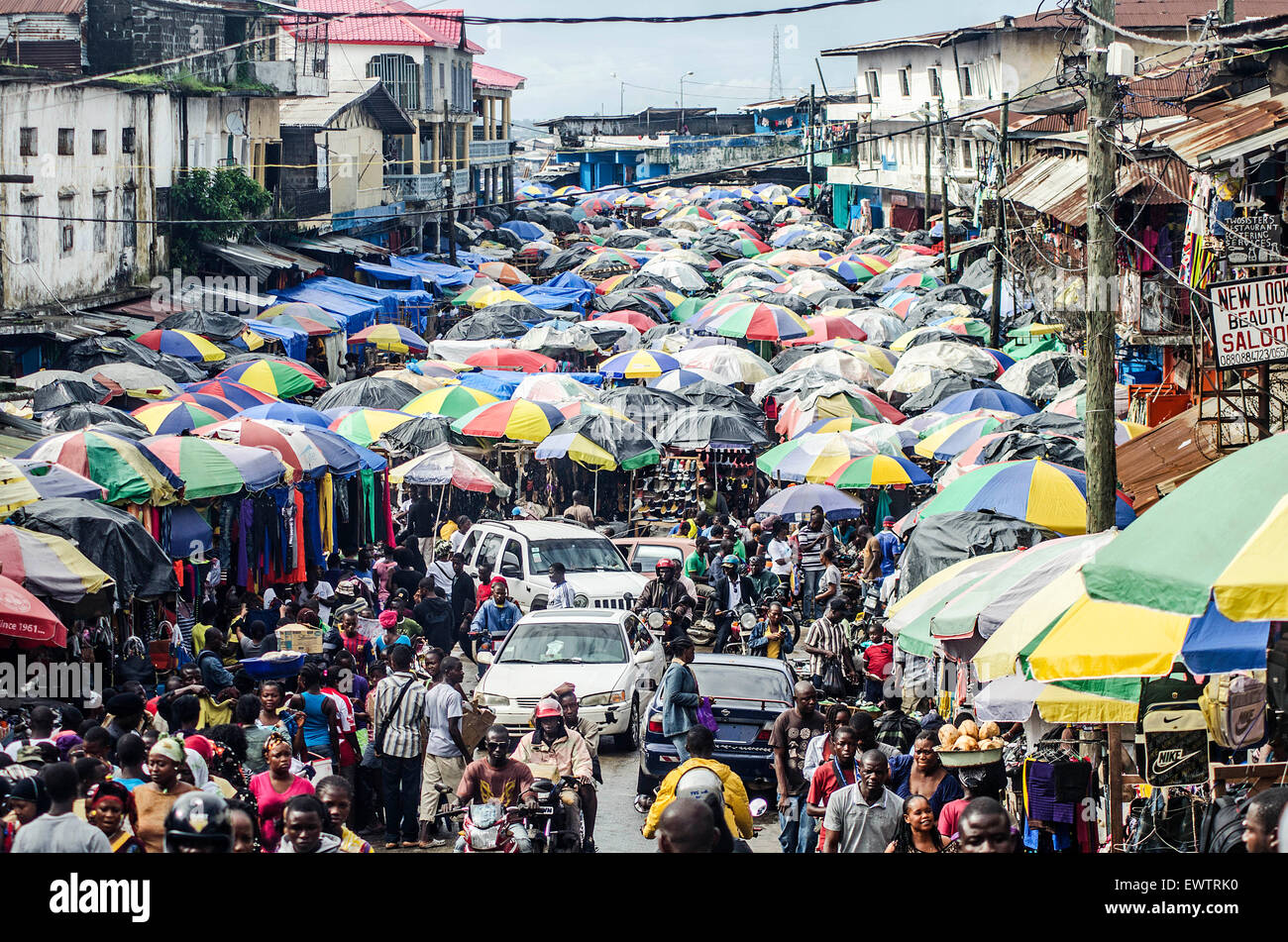
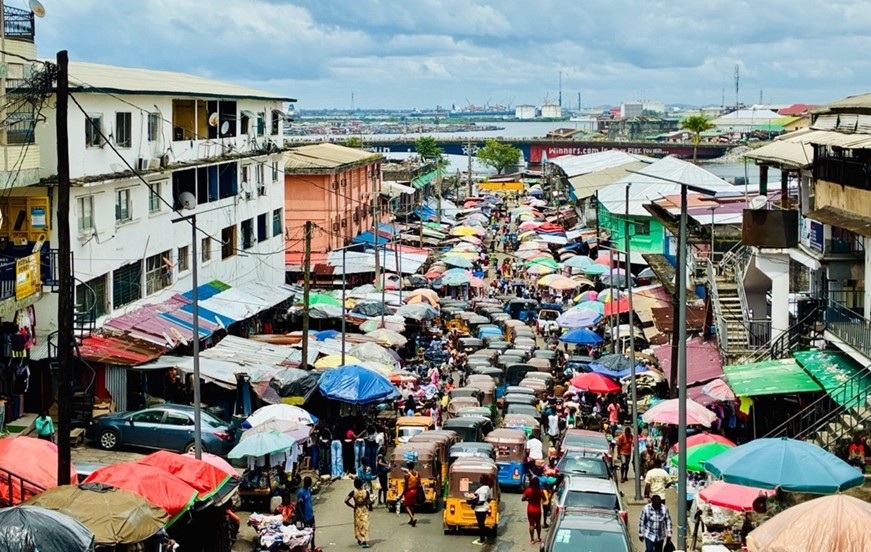
Urban centers in Liberia are experiencing increasing traffic congestion, road safety risks, environmental pollution, and declining quality of public space. City centers and shopping streets — often located in densely populated areas — are dominated by motorized vehicles, resulting in unsafe conditions for pedestrians, cyclists, traders, and persons with disabilities, as well as elevated levels of noise, smoke, and harmful emissions.
.jpeg)
Globally, cities are responding to similar challenges by introducing car-free and low-traffic streets — transforming selected urban corridors into pedestrian-priority spaces that support walking, running, cycling, two-wheelers, electric scooters, and inclusive mobility. These interventions contribute to improved road safety, reduced congestion, environmental improvement, economic vitality, and healthier urban lifestyles.
The Car-Free Street Project seeks to support Liberia's transition toward a modern, livable, people-centered city model — where streets are not only transport corridors but also safe public spaces that support social interaction, commerce, tourism, and environmental sustainability. As a demonstration project, it translates policy and planning principles into tangible, visible, and people-centered outcomes that communities can experience directly.
1.2 Problem Statement
Current urban street conditions in Liberia present a compounding set of safety, environmental, health, and economic challenges:
The Urban Street Crisis in Liberia's City Centers
- Unrestricted movement of private cars in high-density city centers — choking streets designed for people
- High pedestrian exposure to traffic crashes and injuries on unprotected footways
- Severe traffic congestion and inefficient use of limited urban road space
- Air pollution from vehicle emissions — CO₂ and other harmful gases degrading public health
- Noise pollution and a deteriorating urban environment that discourages public space use
- Limited or no safe space for walking, running, cycling, and inclusive mobility
- Poor accessibility for persons with disabilities — inadequate pavements, ramps, and crossing facilities
- Weak integration of green areas, quality pavements, and people-friendly street furniture
- Low user acceptance of non-motorized mobility due to perceived danger and lack of infrastructure
A street that belongs only to cars is a street that has been taken away from the people who live, work, and move through it. Car-Free Streets give it back.
2. Project Objectives
2.1 Overall Objective
To improve road safety, environmental quality, and urban livability by establishing car-free streets in selected urban areas — prioritizing pedestrians and sustainable mobility while supporting economic activity and inclusive access for all road users.
2.2 Specific Objectives
- Reduce traffic crashes and injuries involving pedestrians and vulnerable road users in selected urban corridors through car-free and pedestrian-priority street design.
- Improve air quality in city centers through reduced vehicle emissions and a measurably smaller carbon footprint in treated corridors.
- Decongest city centers and improve urban mobility efficiency through traffic redistribution and access management planning.
- Promote walking, cycling, two-wheelers, and electric mobility as safe, viable, and attractive alternatives to private car use in urban areas.
- Enhance inclusivity and accessibility for persons with disabilities, elderly road users, children, and other vulnerable groups through universal design principles.
- Support economic growth, tourism, and vibrant shopping streets by creating safe, attractive, and high-footfall public spaces that benefit local traders and businesses.
- Encourage behavioural and cultural shifts toward sustainable mobility among urban residents, commuters, and transport operators.
- Integrate green areas, clean energy, and smart-city technologies into street design — creating streets that are not only safer but also cooler, greener, and more enjoyable.
3. Project Approach & Methodology
The Car-Free Street Project adopts a phased, evidence-based, and participatory approach — ensuring safety, public acceptance, and long-term sustainability at each stage. RSAI acts as the lead technical facilitator, working in close partnership with city authorities, transport planners, urban designers, environmental specialists, and community stakeholders.
Street Design Elements
The physical transformation of selected corridors under the CF project incorporates the following people-centered design elements:
Key Interventions
Feasibility Studies & Site Selection
Evidence-based feasibility studies and site selection assessments using traffic analysis, pedestrian flow data, crash history, land use mapping, and community input — identifying the corridors in Liberia's urban centers that offer the greatest potential for safe, successful, and impactful car-free street implementation.
Pedestrian-Priority Street Design & Access Management
Design and implementation of pedestrian-priority street infrastructure — including pavements, bollards, green areas, disability-inclusive elements, smart signage, and access management systems — transforming selected corridors into safe, attractive, and inclusive public spaces.
Stakeholder Engagement & Public Acceptance
Structured public consultations, trader and resident engagement, awareness campaigns, and behaviour change communication — building the community support, institutional cooperation, and cultural shift needed to make car-free streets a success and a sustainable fixture of urban life in Liberia.
Monitoring of Safety, Environmental & Social Impacts
Systematic monitoring and evaluation of road safety outcomes, air quality improvements, CO₂ emission reductions, pedestrian footfall, economic activity, and social inclusion indicators — generating the evidence needed to demonstrate impact, attract investment, and guide scaling of the car-free street model across Liberia.
What Car-Free Streets Deliver
When designed and implemented well, car-free and pedestrian-priority streets deliver a compounding set of benefits that extend far beyond road safety:
Road Safety
Dramatically reduced crash risk for pedestrians, cyclists, and vulnerable road users in treated corridors.
Cleaner Air
Measurable reduction in vehicle emissions, CO₂, noise pollution, and harmful gases in city center environments.
Economic Vitality
Increased footfall, market activity, and tourism in pedestrianized corridors — benefiting traders and local businesses.
Inclusive Access
Safer, more accessible streets for persons with disabilities, elderly residents, children, and all vulnerable groups.
Climate Resilience
Green infrastructure, reduced urban heat, and lower carbon footprint — contributing to climate adaptation in cities.
Quality of Life
Healthier, more enjoyable, and more vibrant urban environments that improve wellbeing and encourage active lifestyles.
4. Project Organization & Staffing
Implementing Organization: Road Safety Action International (RSAI)
| Role / Institution | Function in CF Project |
|---|---|
| RSAI Programme Director | Strategic oversight, city authority engagement, donor reporting, and high-level advocacy for car-free street policy |
| Urban Mobility & Road Safety Specialists | Lead feasibility studies, site selection assessments, safety audits, and technical design specifications for pedestrian-priority infrastructure |
| Traffic & Transport Planners | Design traffic redistribution plans, access management systems, and emergency/delivery vehicle protocols for the car-free zone |
| Urban Design & Accessibility Specialists | Design pedestrian thoroughfares, street furniture, disability-inclusive elements, green areas, and smart city features |
| Environmental & Climate Experts | Conduct air quality and emissions baseline and post-implementation monitoring; assess climate co-benefits and environmental impact |
| City & Municipal Authorities | Primary government partner; provide site authorization, coordination with public works, traffic management, and enforcement during implementation |
| Ministry of Transport & Ministry of Public Works | Policy alignment, infrastructure investment coordination, and regulatory enabling for car-free street designations |
| Local Businesses & Market Associations | Key stakeholder engagement participants; consulted on street design, delivery access, and economic impact mitigation measures |
| Disability Advocacy Groups & Civil Society | Ensure inclusive design standards are met; represent the interests of persons with disabilities, elderly residents, and other vulnerable groups in street design |
| Data, Monitoring & Evaluation Officers | Collect, analyse, and report safety, environmental, economic, and social impact data throughout the project cycle |
5. Project Schedule
The Car-Free Street Project is implemented in five phases — progressing from evidence and design through to pilot activation, monitoring, and scaling:
6. Monitoring, Evaluation & Learning (MEL)
7. Project Log Frame — Outputs, Outcomes & Impact
| Level | Statement | Indicators | Means of Verification |
|---|---|---|---|
| Impact | Safer, healthier, and more livable urban environments in Liberia; reduced carbon emissions and environmental hazards; stronger urban resilience and climate adaptation; positive cultural shift toward people-centered and sustainable mobility | % reduction in pedestrian crashes in treated corridors; measurable improvement in air quality indicators; % increase in active mobility use; public perception of urban livability improvement | Crash databases; air quality monitoring data; footfall counters; public surveys; media and government assessments |
| Outcome 1 | Reduced traffic congestion and crash risk for pedestrians and vulnerable road users in car-free street corridors | % reduction in vehicle movements in treated corridor; % reduction in pedestrian crash incidents; user-reported perception of safety improvement | Traffic counts; crash records; pedestrian safety observation reports; user surveys |
| Outcome 2 | Improved air quality and reduced vehicle emissions in treated urban corridors | % reduction in CO₂ and particulate matter levels; % reduction in noise pollution; number of vehicle movements removed from corridor per day | Air quality monitoring reports; noise measurement data; traffic count records |
| Outcome 3 | Increased walking, cycling, and sustainable mobility use in treated corridors | % increase in daily pedestrian footfall; number of cyclists and e-mobility users recorded; modal shift data | Footfall counters; mobility monitoring data; user surveys |
| Outcome 4 | Improved accessibility, inclusivity, and economic activity in treated corridors | % of disability-inclusive design elements functional; trader footfall and revenue change; number of businesses reporting improved activity | Accessibility audits; trader surveys; economic activity records; disability group feedback |
| Output 1 | Car-free street feasibility study and design completed for selected corridor | Feasibility study completed; site selected; street design finalized and approved | Feasibility report; design documentation; stakeholder approval records |
| Output 2 | Pedestrian-priority infrastructure installed in selected corridor | Infrastructure elements installed; pre-opening safety inspection passed | Installation records; inspection reports; photographic documentation |
| Output 3 | Traffic access and management system operational in car-free zone | Access control measures operational; enforcement briefed and active | Access management plan; enforcement briefing records; observation reports |
| Output 4 | Community engagement and awareness activities conducted | Number of consultations held; people reached; acceptance survey results | Event reports; attendance records; survey results |
| Output 5 | Impact monitoring data collected and scaling roadmap produced | Post-implementation monitoring report completed; scaling roadmap published | MEL reports; scaling roadmap document; donor and government reports |
| Activity 1 | Conduct site selection and feasibility studies | Studies completed; site selected | Feasibility report; site selection documentation |
| Activity 2 | Engage stakeholders and develop street design | Consultations held; design finalized | Consultation records; design documentation |
| Activity 3 | Install pedestrian-priority infrastructure and access control | Infrastructure installed and operational | Installation records; inspection reports |
| Activity 4 | Launch pilot and activate car-free street publicly | Launch event held; public activation completed | Event reports; media records; photographic documentation |
| Activity 5 | Monitor, evaluate, and produce impact report and scaling roadmap | Reports completed and disseminated | MEL reports; impact report; scaling roadmap |
8. Conclusion
Every pedestrian who walks safely down a car-free street is proof that cities can be designed for people — not just vehicles.
Every trader who sees more customers because the street is safer and more welcoming is evidence that sustainability and economic vitality go hand in hand.
Every child who runs freely in a space once dominated by traffic is a vision of the city Liberia is building.
The Car-Free Street Project is not just an infrastructure intervention —
it is a demonstration that people-centered streets are possible, popular, and powerful.
RSAI is committed to making Liberia's urban centers safer, greener, and more inclusive — one street at a time.
Partner With Us
We welcome partnerships with institutions committed to people-centered urban mobility and safer, greener cities in Liberia:
Together, we can build streets that belong to everyone — and a city where safety, sustainability, and inclusion are not aspirations but everyday realities.